剧情介绍
本片以上世纪六十年代的本地家庭为主轴,通过成员的际遇,带出早期的甘榜生活以及后来的组屋生活,剧情横跨数十年。
电影也将体现新加坡如何从一个以方言为主流语言的社会演变成华语到现今英语的过程,从中回顾流失的方言。它也会融入导演的许多亲身经历,并将安插多首怀旧歌曲。
After the 1969 nationwide floods, Zhao Di takes over her father's family farm with the help of reformed gangster Ah Long. As Singapore's economy prospers, the Singaporean mindset is also forced to change with the times. Osman catches his teenage son, Ahmad practicing with his rock band. As a conservative man, Osman believes rock music will have a negative influence on Ahmad. Father and son argue over their different opinions, causing Ahmad to run away. Meanwhile, Ah Hee and Rani decide to get married. But their traditional parents disapprove of their marriage. In 1977, the Government begins expropriating land for redevelopment, forcing villagers from their kampongs. Licensed farmland owners, such as Zhao Di, are financially compensated for their land. Ah Kun, Zhao Di's greedy brother accuses Zhao Di and Ah Long of having an affair to tarnish her name in front of the family. In the midst of Ah Kun's persistent accusations, Zhao Di's health takes a hit. Will Zhao Di be able to keep her hard-earned compensation money? What will become of her family if Zhao Di's health continues to deteriorate? As people change with time, will the kampong spirit remain?
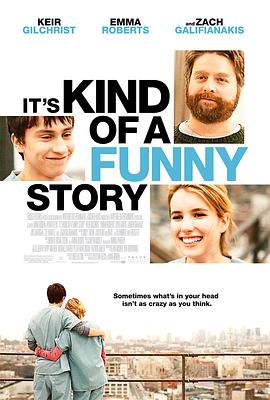
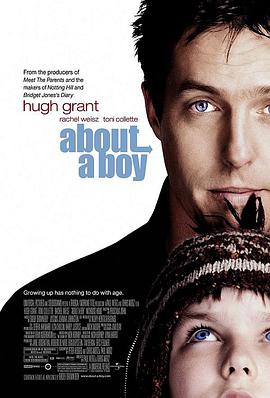
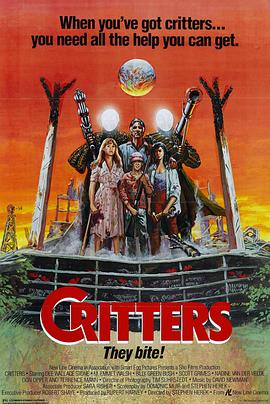
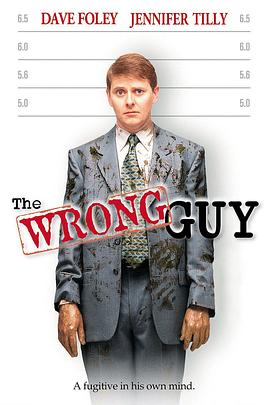
喜欢“我们的故事2”的也喜欢








影片评论
本周 • 热播榜
- 1已完结今天这口锅,我不背了
- 2已完结开局流放我开房车闯岭南第二季
- 3HD小妹危险
- 4HD心迷宫
- 5HD荒岛惊魂2018
- 6HD龙女降妖记
- 7已完结投资者Z
- 8HD侠女传奇
- 9HD狂飙古惑仔
- 10HD马戏小子
影片推荐
- 1已完结今天这口锅,我不背了
- 2已完结开局流放我开房车闯岭南第二季
- 3HD小妹危险
- 4HD心迷宫
- 5HD荒岛惊魂2018
- 6HD龙女降妖记
- 7已完结投资者Z
- 8HD侠女传奇
- 9HD狂飙古惑仔
搜狐视频网友: 配乐贴合,烘托情绪绝佳
腾讯视频网友: 不刻意制造冲突,生活重压无声落在普通人身上。
bilibili网友: 《我们的故事2》转场设计巧妙流畅,镜头衔接自然。转场兼具技术,承担叙事与情绪转换功能。
爱奇艺网友: 叙事节奏张弛有度,紧张与舒缓交替,观影不易产生疲惫。
pptv电视网友: 信任建立漫长,崩塌只在一瞬,修复更是艰难。