剧情介绍
Tú me abrasas is an adaptation of “Sea Foam”, a chapter from Cesare Pavese’s “Dialoghi con Leucò” published in 1947. The ancient Greek poet Sappho and the nymph Britomartis meet beside the sea and have a conversation about love and death. Sappho is said to have thrown herself into the ocean from lovesickness. Britomartis apparently tumbled off a cliff and into the water while fleeing from a man. Together, the two discuss the stories and images that have emerged around them to try and understand, at least for a moment, the bittersweet nature of desire. The film adapts not only the text but also footnotes and gaps in the story. For example, the fact that, in 1950, a desperate Pavese committed suicide in a hotel room with this book by his side. Or that Sappho’s poems have survived only in fragments. Or that sea foam is historically and scientifically associated with fertility and bacteria, that is, with life itself. “Everything dies in the sea and comes back to life,” says Britomartis. Tú me abrasas introduces new readings and translations that go beyond the myths by Pavese and Sappho.
喜欢“你燃烧了我”的也喜欢





影片评论
本周 • 热播榜
- 1已完结今天这口锅,我不背了
- 2已完结开局流放我开房车闯岭南第二季
- 3HD小妹危险
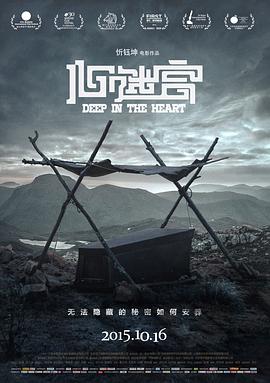
- 4HD心迷宫
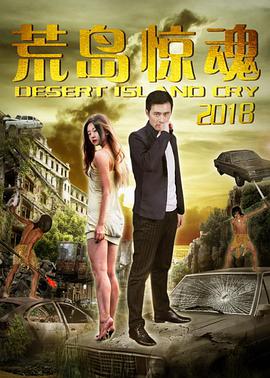
- 5HD荒岛惊魂2018
- 6HD龙女降妖记
- 7已完结投资者Z
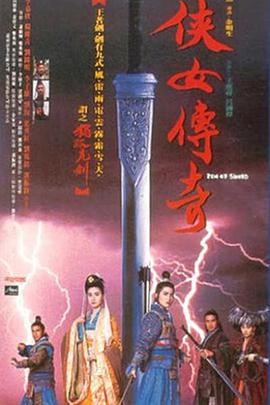
- 8HD侠女传奇
- 9HD狂飙古惑仔
- 10HD马戏小子
影片推荐
- 1已完结今天这口锅,我不背了
- 2已完结开局流放我开房车闯岭南第二季
- 3HD小妹危险
- 4HD心迷宫
- 5HD荒岛惊魂2018
- 6HD龙女降妖记
- 7已完结投资者Z
- 8HD侠女传奇
- 9HD狂飙古惑仔
芒果TV网友: 故事探讨镜头,空镜抒情,无言胜过千言万语。
腾讯视频网友: 《你燃烧了我》跨越隔阂,读懂彼此内心
搜狐视频网友: 故事探讨陪伴,长久守候胜过无数甜言蜜语。
搜狐视频网友: 不贩卖焦虑,直面生活困境,依旧保留一丝微光。
搜狐视频网友: 故事讲述和解,与生活和解,接纳所有不完美与缺憾。